When a fire alarm seems or smoke begins to swimming pool under a ceiling, a workplace's security society is tested in secs. People do not climb to the occasion, they fall to the level of their training. The chief emergency warden is the support point because minute. This function is not about heroics, it has to do with system reasoning, disciplined communication, and measurable results such as time to full evacuation, headcount reconciliation, and handover quality to attending solutions. After twenty years helping sites stand up and refine their Emergency situation Control Organisations, I can tell you the difference between confusion and a tidy emptying is generally the chief warden's preparation and poise.
What the chief emergency warden actually owns
A chief emergency warden leads the Emergency Control Organisation, the tiny group billed with taking care of cases till emergency services assume control. The extent extends much past a fire drill. It covers preparation, training, online feedback, and recovery, mapped to site risks and legal obligations. In Australia, competencies usually align to PUAFER systems, usually puafer005 operate as part of an emergency control organisation for wardens and puafer006 lead an emergency control organisation for chief wardens, but the principles take a trip well to most jurisdictions.
At a practical degree, the chief warden owns the action framework. That means the emergency situation treatments, the warden framework and coverage per flooring or area, warden training cadence, communications tools and screening programs, and the intermediary procedures with the fire brigade or equivalent companies. Throughout an event, they make the phone calls no one else can: partial or complete evacuation, sanctuary in place, lift or deny re-entry, allowance of wardens, and termination of the alarm system once confirmed safe.
People typically ask about identifiers. For quick recognition, wardens use helmets or hats in clear colours. A regular schema is red for location wardens, white for the chief warden, and yellow for communications. The specific scheme can differ by site or jurisdiction, so document it, inform it throughout inductions, and keep spare identifiers with radios. It is not vanity equipment. In smoke, noise, or crowds, a clear icon puncture. If you have actually ever tried to coordinate 800 people on a stormy winter early morning on a wind-swept assembly factor, you will appreciate the value of a noticeable chief warden hat or safety helmet. If your team arguments what colour helmet the chief warden wears, choose one that is distinct at range. White continues to be usual and functional.
From structure to muscular tissue memory
Procedures alone do not carry a response. Muscular tissue memory does. Teams accomplish it by incorporating warden training with regular operations. This is where a puafer005 course and puafer006 course make a sensible difference. PUA units bring a common language and expected performance standards. For wardens that total puafer005, the focus is on function clearness, search patterns, evacuation routes, and helping residents with added requirements. For primary wardens that complete puafer006, the emphasis changes to management under stress, information triage, and the auto mechanics of leading an emergency control organisation end to end.
I choose to blend official programs with site-specific drills. A generic fire warden course develops structures, but a storehouse with high-rack storage behaves in a different way from a high-rise office, and an information centre with gaseous suppression needs various choice limits than a childcare facility. Build scenarios that match your risks. Stage a smoke equipment test to check detector reasoning. Simulate a lawn sprinkler seclusion failure. Run a two-zone alarm where the resource can not be verified within 3 mins. Your response timings, radio discipline, and decision logs will tighten up rapidly.
Training should cover equipment too. Radios stop working in concrete cores. systems clip in stairwells. Floor plans go out of date when fit-outs move. An experienced chief fire warden sets a monthly confirmation rhythm: test every handheld, inspect spare batteries or chargers, walk the discharge courses, and verify that haven factors are functional, not academic. Do not outsource every one of this to facilities. The chief warden needs personal experience with the idiosyncrasies of the site.
Decision-making under pressure
The hardest part of the role is not announcing evacuations. It is choosing under uncertainty while the clock is running. Three constraints dominate: minimal information, time compression, and human behaviour. The chief warden's work is to shape those restraints right into workable choices.
Most cases start with a signal, not a tale. The fire indication panel shows a zone in alarm, a detector kind, maybe an additional mistake. Lifts recall. People begin to ask inquiries that have no immediate response. A great chief warden has a psychological triage:
First, validate life safety and security. Can passengers stay put without enhancing risk for the next couple of mins? Or is there an immediate hazard that requires a general emptying? Signals that tilt in the direction of prompt discharge include noticeable smoke past the beginning, simultaneous alarm systems in several areas that share a shaft or ceiling void, or loss of pressurization in stairwells.
Second, tighten up info loopholes. Deploy a floor or area warden to the beginning area with a radio and clear language. Do not send out more than required. One pair can observe and report without obstructing stairwells. Request for specifics: no smoke, light haze, noticeable flame, smell stamina, heat at door, audio of suppression discharge. This disciplined language avoids noisy reports like "appears fine."
Third, determine for the majority. If the signal can not be confirmed quickly, a traditional decision safeguards the several. A full discharge enforces price and disruption, but the expense of hold-up when a fire is expanding behind a riser door is orders of size greater. Prepare to protect the phone call later on with your log and timing.
I keep an easy, three-line log during real-time occurrences: time, activity, factor. 10:03, partial emptying Degrees 10 to 12, unverified smoke Degree 11 ceiling gap. 10:06, intensified to full structure evacuation, 2nd alarm Degree 10 return air plenum, unidentified spread. These couple of words will be gold when rundown the fire solution on arrival or explaining to monitoring why 1,200 people based on the street for 35 minutes.
The peaceful work that makes sounds unnecessary
The best primary wardens are invisible a lot of the year. They do the peaceful job others miss. They walk the fire stairs, count the number of doors that are wedged open, and obtain those wedges thrown out. They analyze assembly factors at 7:30 a.m. when delivery van sometimes block the curb, then discuss with building monitoring course for wardens to paint a keep-clear area. They guarantee the fire warden training requirements are not simply ticked in a discovering management system, yet showed during drills and taped with activity things. When an individual with minimal mobility signs up with a group on Degree 19, they update the Individual Emergency situation Discharge Strategy that week, not after the next drill. This is the craft of the role.
Fire warden needs in the work environment vary by jurisdiction and building course, however they share core assumptions: adequate coverage throughout all inhabited locations and shifts, proficiency lined up to the threat profile, and evidence of training and drill performance. An affordable proportion in an office is approximately one warden per 20 to 30 occupants per zone, however adjust for format intricacy and wheelchair demands. For a stockroom or production floor with greater sound and plant threats, include more wardens and make certain visibility gear is part of the warden kit.
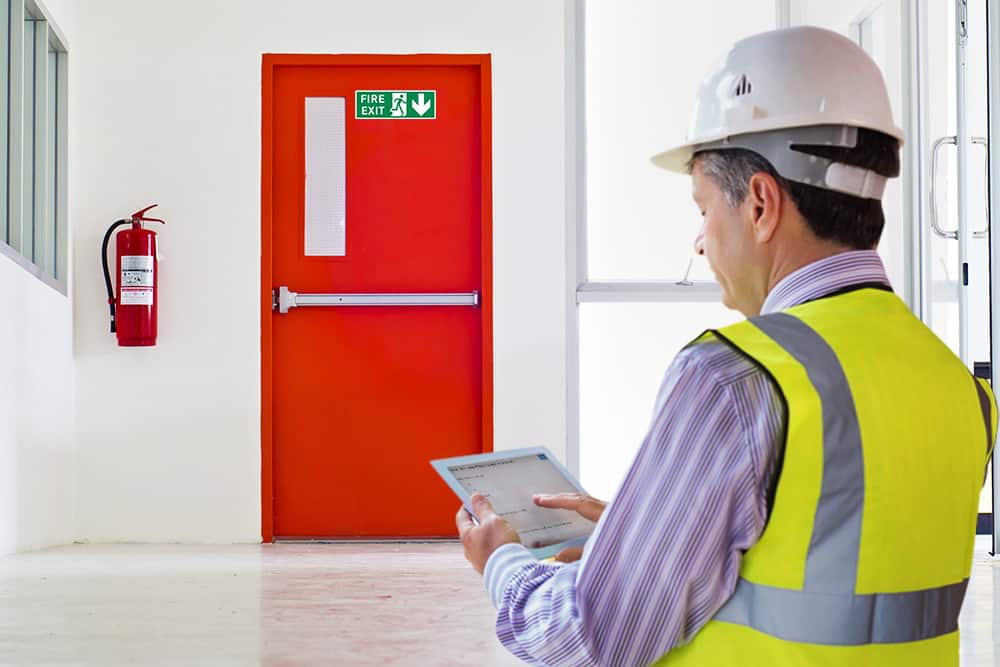
What the colours mean, and why people ask
People love inquiring about fire warden hat colour or chief warden hat colour. It is a sensible curiosity with a cultural benefit. Clear colour conventions stop discussions during events. You can select your very own schema if none is mandated, yet stay with high-contrast colours that owners can find at 20 to 30 meters in combined light. White for the chief warden, red for wardens, and yellow or environment-friendly for communications or emergency treatment are common patterns. The point is recognition. When a person asks what colour helmet a chief warden puts on, they are normally likewise asking, who do I comply with when I am emphasized? Answer both clearly in inductions and signage. If you currently have a chief warden hat or helmet supply, check it two times a year for splits, faded colour, and the problem of chin bands. Helmets obtain tossed in cabinets and age faster than you expect.
The 2 programs that secure competence
In Australia's training framework, puafer005 and puafer006 form the foundation for office wardens and chief wardens. Lots of companies run a puafer005 course for general wardens and a puafer006 course for primary wardens. The puafer005 operate as part of an emergency control organisation program outfits wardens to implement guidelines safely, search their zones, aid emptyings, and interact effectively. The puafer006 lead an emergency control organisation program focuses on preparation, leadership, and sychronisation, consisting of exactly how to orient emergency solutions and handle post-incident actions.
An excellent emergency warden course will certainly not teach only concept. It ought to simulate radio blockage, blocked egress, and incomplete information. In my sessions, I often get rid of two radios mid-exercise to mimic battery failure, then see whether the group reroutes messages through the PA or runners. That sort of stress test exposes breakable assumptions prior to an actual occasion does.
For offices uncertain where to begin, a blended warden course with a website walk-through is the lowest-friction entry point. You can then construct a yearly cycle that consists of one full discharge drill, one partial drill, one desktop situation for the chief warden and replacements, and quarterly devices checks. The chief fire warden training need to be revitalized every 2 to 3 years, sooner if your site risk profile changes.
Communication that gains compliance
People adhere to clear, legitimate voices. During occurrences, the chief warden's words matter as much as the alarm noise. Keep announcements brief and details. Rather than a common "Please leave the structure," attempt "Interest, all occupants on Levels 10 to 12: evacuate by means of the fire staircases currently. Do not make use of lifts. Continue to Setting Up Factor A on George Road. Wardens will aid." Time stamps assist. Give updates every two to 5 mins throughout prolonged discharges. Silence breeds speculation.
Radio technique is learned, not assumed. Usage phone call indications that map to duties and zones. Limit transmissions to crucial information and requests. Proper gently but securely when a person jumbles the channel with commentary. Throughout a drill in 2015, we determined a 40 percent different fire warden hat colours enhancement in discharge time after coaching wardens to use conventional expressions as opposed to conversational radio chatter.
Managing individuals who can not self-evacuate
Every site has people for whom stairways are not useful, whether permanently or briefly due to injury or pregnancy. The chief warden makes certain there are Individual Emergency Situation Evacuation Plans in place and that wardens know the area of havens and emptying chairs. Discharge chairs are wonderful when wardens are educated and solid sufficient to use them securely. They threaten when team improvise under stress and anxiety. Choose early who will run the chairs and practice the descent in a regulated environment. In numerous structures, the more secure option during smoke-free alarms is to shelter in a staircase landing sanctuary with wardens published, after that leave with fire service support if problems weaken. Paper this and inform the specific so they recognize the plan and depend on it.


Partial discharges, duds, and the price of overreaction
Not every alarm system warrants a full-building discharge. A toaster in a level 3 kitchen space throughout peak rain will certainly send thousands of people outside at an efficiency price, as well as exposure risk, if you always clear the building on signal. Partial emptyings exist for a factor. If your fire sign panel and building systems sustain zoned discharge and you have trustworthy verification from wardens, use it. Develop thresholds in your emergency situation plan: for a single, non-propagating alarm with no smoke migration and very early reductions, leave the damaged floor and the one above. If you can not get eyes on or the detector is in a high-risk area such as a server area or plant room, expand the reaction quickly.
False alarm systems are never free. After a sequence of them, residents disregard. A chief warden has a duty to decrease nuisance triggers by dealing with centers on maintenance: regular detector cleansing, warmth detector replacement in kitchens where enabled, toaster bans in trouble areas, boosted door closers to preserve smoke splitting up. Keep a log of alarm causes. Patterns will arise, and you can deal with them.
Handovers that help firemens assist you
When the fire brigade or emergency solutions show up, your work tightens to accurate information handover and support. They want what is true, recent, and helpful. Prepare to provide the following without fuss.
- Time of alarm, zones influenced, and present panel indications. Known cause or monitorings from wardens, including smoke, warmth, flames, smells, and suppression status. Occupant status: left, partial, unknown, and anybodies safeguarding in position with locations. Building systems: lawn sprinklers or gas reductions condition, staircase pressurization, lifts recalled, seclusions in place. Access: tricks, fire control room place, roofing access, and any type of threats such as lithium battery storage or chemicals.
I maintain a laminated prompt in the fire control room to keep this tight. It saves mins in the most expensive time home window of a case. After handover, remain readily available however do not crowd the procedures. Your next focus is responsibility of individuals and welfare at assembly points.
Post-incident recovery and the component no person enjoys
Once a case ends, there is a solid pull to get every person back within and return to work. Withstand the urge to rush. Take ten mins for a quick hot debrief while memory is fresh. What worked? What reduced us down? Which radios fallen short? Did anyone struggle with the PA? Did the setting up point hold everybody securely, including service providers and site visitors? Capture three to five activities, appoint owners, and put days on them. Then do a fuller cool evaluation within a week, with logs and times. This is where the chief warden earns lasting depend on, by transforming lived friction into improvements.
Your report need to be accurate and practical. Prevent blame language. A sentence like "Emptying lag on Level 14 as a result of vague PA message at 10:05; action: update template and re-train drivers" aids more than "Level 14 sluggish to evacuate." Consist of pictures if they assist. Administration will certainly money adjustments if you show the web link between a tiny fix and faster, more secure outcomes.
Selecting and maintaining the best people
Chief warden demands are not a long checklist of hero qualities. You need a stable character, sufficient authority to influence peers, and authentic regard for process. In bigger websites, assign replacements to cover leave and changes. Spread skills throughout divisions so the function does not collapse when one group transforms over.
Recruit wardens with the very same intent. Individuals that understand their floor and are valued by associates make much better wardens than volunteers who just desire the helmet. Make clear time assumptions. Warden training is not a once-a-year formality. Drills, devices checks, and occasional after-hours tasks will become part of the work. Recognize the contribution. Recognition during city center or small thank-yous go additionally than you expect.
Building a practical training plan that fits the work
Training sheds power when it is separated from truth. Link the tempo to your company rhythm. For offices, avoid end-of-quarter crisis and schedule drills early in the day to minimize interruption and fatigue. For stockrooms, stagger drills by zone to maintain procedures moving. For healthcare facilities and aged care, run compartment-based exercises that mimic smoke movement without relocating prone individuals. Where guidelines need yearly emptying method, surpass the minimum with a minimum of one unannounced circumstance yearly, within reason.
If you are establishing from square one, start with these five components and expand when they run smoothly.
- Nominate a chief warden, replacements, and area wardens across all occupied zones and changes, after that release the roster. Deliver emergency warden training targeted to duties: puafer005 for wardens, puafer006 for chief/deputies, plus website induction refreshers. Test communications: radios, PA, and backup approaches. Change batteries and label battery chargers by zone. Run a table top for the leadership team, walking through choice factors, partial emptyings, and handovers to terminate services. Conduct a complete discharge drill with timed accountability, followed by a short warm debrief and a composed activity list.
Edge cases that separate the prepared from the lucky
Not every emergency is a textbook fire alarm. Lithium-ion battery thermal runaway creates poisonous fumes fast. A lawn sprinkler head sheared by a forklift can look harmless till water stress falls down a ceiling ceramic tile onto a stair landing. A gas reductions misfire in a server room can produce an oxygen-depleted setting. The chief warden should recognize the website's strange threats well enough to change decisions.
If your website shops batteries, understand the area and amount, the air flow, and the preferred response. Compose it into your strategy. For information centres with gaseous systems, quick wardens on the pre-discharge caution series and lockout procedures. For skyscrapers undertaking repair, track short-lived egress adjustments weekly. Short-lived hoardings and secured doors have actually caught more than one evacuation.
COVID-era building adjustments presented an additional side situation that lingers: modified airflows and closed dampers. Ensure your mechanical controls straighten with your emptying presumptions. A closed stairwell with failed pressurization is not a risk-free path.
Measuring what matters
Stop thinking. Measure. Valuable metrics consist of typical time to initiate emptying after alarm, time to clear each flooring, total time to all-clear at assembly, portion of residents accounted for, and radio uptime. Over a year, these numbers inform you where to tighten up. If Level 7 constantly lags by 2 minutes, walk it. Possibly a maze of work areas or a culture of completing e-mails is the wrongdoer. Deal with the layout or the message.
Track training completion and recency, especially for chief warden training and delegate insurance coverage. If your emergency warden course completions dip listed below 80 percent of your roster, expect efficiency to sag. It is not moral failure. It is capability decay.
Getting functional concerning signs and signage
Clarity beats cleverness. Put warden images and names near lifts on each flooring so individuals identify them. Mark evacuation paths with arrows at eye elevation and at knee elevation for smoky problems. Put your chief warden hat, extra radios, high-visibility vests, and layout in a single, unlocked closet in the fire control room or matching. Tag it in big letters. If you can, consist of a tiny torch for every radio. When the power goes and your generator takes a minute, you will certainly be glad you did.
What good appear like on a poor day
A well-led emergency situation has a feeling to it. The alarm system sounds. The chief warden acknowledges the panel within secs. Area wardens relocate to pre-planned settings and check priority rooms. Announcements are crisp, not theatrical. Occupants climb, accumulate fundamentals if risk-free to do so, and flow to stairs without argument. Radios live however tranquil. At the assembly point, wardens report their headcounts and exceptions without drama. The chief warden updates occupants every few minutes, even if the message is simply, "Stand by, responding staffs are exploring. We will suggest soon." When staffs show up, the handover is effective and the primary steps back. Afterward, the group catches two or 3 improvements and moves on.
No one applauds at the end. They do not need to. The action of the chief emergency warden is not excitement. It is the rate and safety and security with which people go out, the quality of info handed to firemans, and the lessons continued. That is the craft. It is found out, exercised, and quietly maintained ready.
If your office has been postponing organized warden training, start. Enrol wardens in a credible fire warden course straightened with puafer005, and your chief in a puafer006 lead an emergency control organisation program. Walk your website with fresh eyes, upgrade your procedures, and test your interactions. Choose a clear colour for the chief fire warden hat and make certain every person recognizes it. The first time you require the system to function, you will want it to really feel familiar, practically routine. That is the power of preparation.
Take your leadership in workplace safety to the next level with the nationally recognised PUAFER006 Chief Warden Training. Designed for Chief and Deputy Fire Wardens, this face-to-face 3-hour course teaches critical skills: coordinating evacuations, leading a warden team, making decisions under pressure, and liaising with emergency services. Course cost is generally AUD $130 per person for public sessions. Held in multiple locations including Brisbane CBD (Queen Street), North Hobart, Adelaide, and more across Queensland such as Gold Coast, Sunshine Coast, Toowoomba, Cairns, Ipswich, Logan, Chermside, etc.
If you’ve been appointed as a Chief or Deputy Fire Warden at your workplace, the PUAFER006 – Chief Warden Training is designed to give you the confidence and skills to take charge when it matters most. This nationally accredited course goes beyond the basics of emergency response, teaching you how to coordinate evacuations, lead and direct your warden team, make quick decisions under pressure, and effectively communicate with emergency services. Delivered face-to-face in just 3 hours, the training is practical, engaging, and focused on real-world workplace scenarios. You’ll walk away knowing exactly what to do when an emergency unfolds—and you’ll receive your certificate the same day you complete the course. With training available across Australia—including Brisbane CBD (Queen Street), North Hobart, Adelaide, Gold Coast, Sunshine Coast, Toowoomba, Cairns, Ipswich, Logan, Chermside and more—it’s easy to find a location near you. At just $130 per person, this course is an affordable way to make sure your workplace is compliant with safety requirements while also giving you peace of mind that you can step up and lead when it counts.